ELISA Kits for Tumor Marker Research
Tumor markers (TM) are a series of substances produced by cancer cells or other cells that reflect tumor-related information. They play key roles in early cancer screening, auxiliary diagnosis, treatment efficacy evaluation, recurrence monitoring, and prognosis assessment. An ideal tumor marker features high specificity, strong sensitivity, stable properties, convenient detection, and close clinical relevance.
Performance Evaluation & QC Standards for ELISA Detection Kits
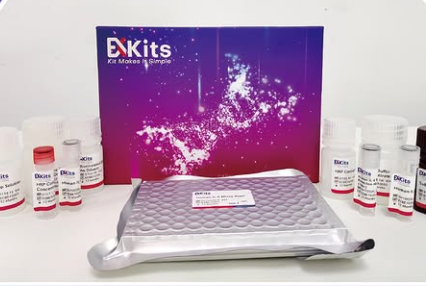
Our rigorous manufacturing processes and strict quality control protocols enable us to deliver ELISA kits with superior performance and consistent results for every assay you conduct. ExKits ELISA kits provide customers with the expected linearity range, linearity, Lower Limit of Detection, precision, recovery, stability, and natural sample detection capabilities, all backed by comprehensive validation testing. This testing covers multiple aspects, taking the Human IL-6 (Interleukin 6) ELISA Kit (XEH1100) as an example.
Inflammatory Cytokine ELISA Kits | ExKits
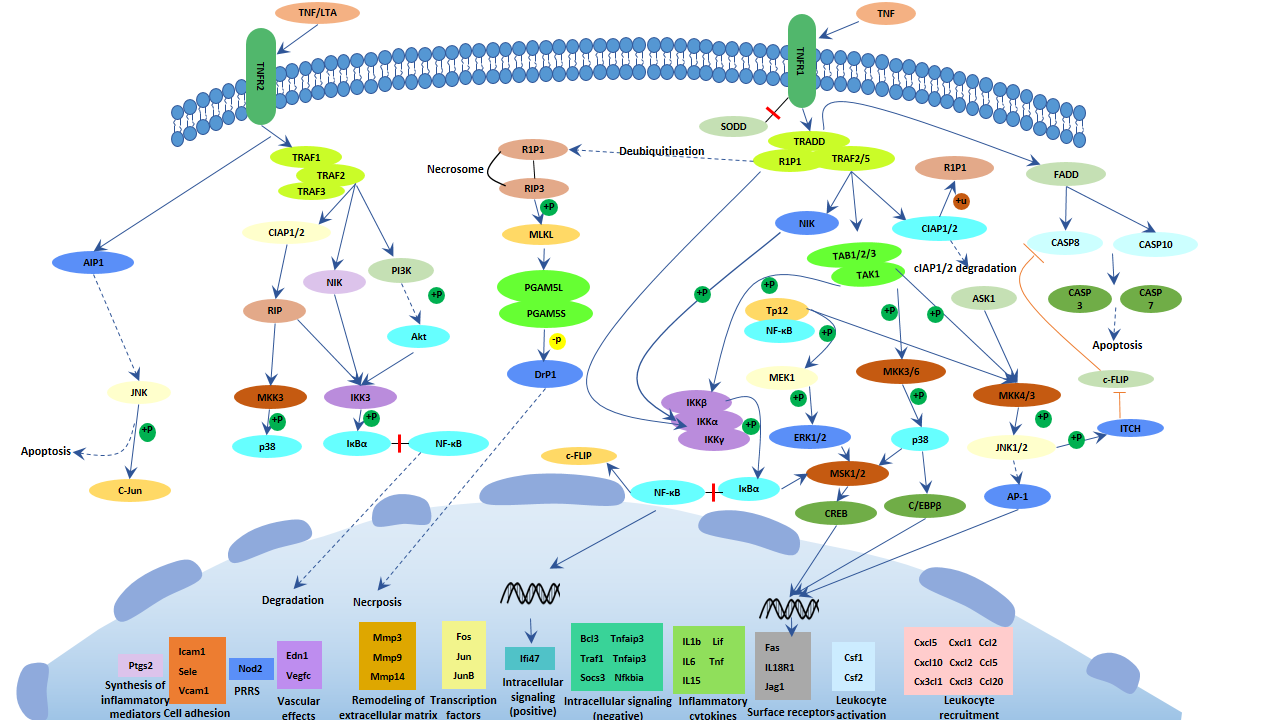
Inflammatory cytokines represent a category of bioactive regulatory molecules that modulate multiple inflammatory responses in organisms, generally divided into two major subgroups: pro‑inflammatory cytokines and anti‑inflammatory cytokines. A dynamic balance maintained between these two subgroups is essential for sustaining normal immune homeostasis and facilitating physiological tissue repair after damage.
Is ELISA Obsolete? Why It Remains Irreplaceable in the Era of Multiplex Immunoassays
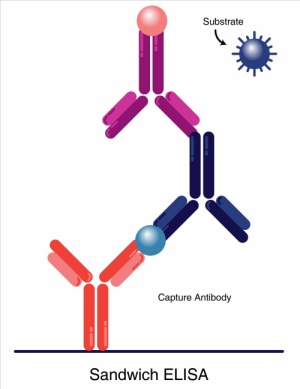
In the fast-developing field of biomedical research, why does a technology with over 50 years of history like ELISA still hold a dominant position in immunoassays? Even with the continuous advancement of immunoassay technologies, ELISA remains the top choice for the reliable and accurate detection of proteins, antibodies, and hormones. But what makes ELISA the preferred method, even when newer technologies such as multiplex immunoassays offer the prospect of obtaining more data in a shorter time?