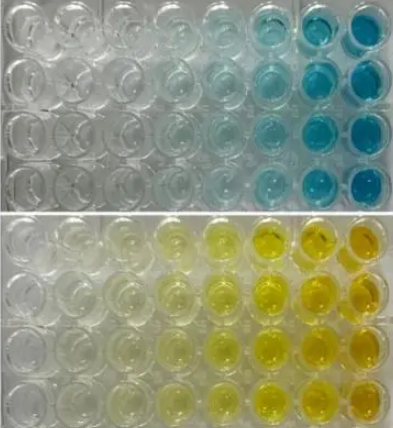
What are the differences between single‑component and two‑component TMB chromogenic substrates in ELISA experiments?
In ELISA enzyme-linked immunosorbent assays, TMB chromogenic substrate is an essential core reagent.

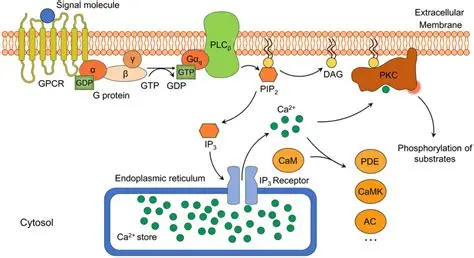
Within the phosphatidylinositol signal cascade, cell-surface receptors bind external signaling ligands to trigger phospholipase C (PLC) activation. The activated PLC enzyme then breaks down phosphatidylinositol-(4,5)-bisphosphate (PIP2), splitting it into two distinct secondary messenger molecules: inositol trisphosphate (IP3) and diacylglycerol (DAG). These two messengers jointly translate extracellular stimulation into intracellular signaling events, forming the phosphatidylinositol signal transmission network, which is also widely referred to as the dual messenger system.
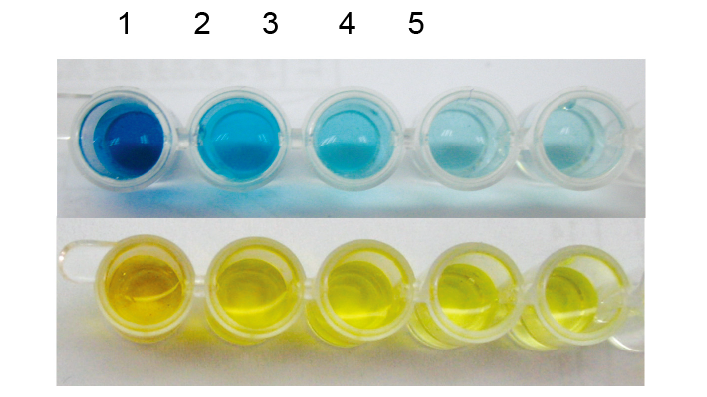
As the "signal converter" of ELISA detection, the quality of TMB components directly governs OD accuracy, as well as the reliability and repeatability of final experimental data. Understanding the core value of TMB helps break free from experimental error pitfalls and achieve the transformation from "obtaining numerical readings" to "generating precise measurement data".
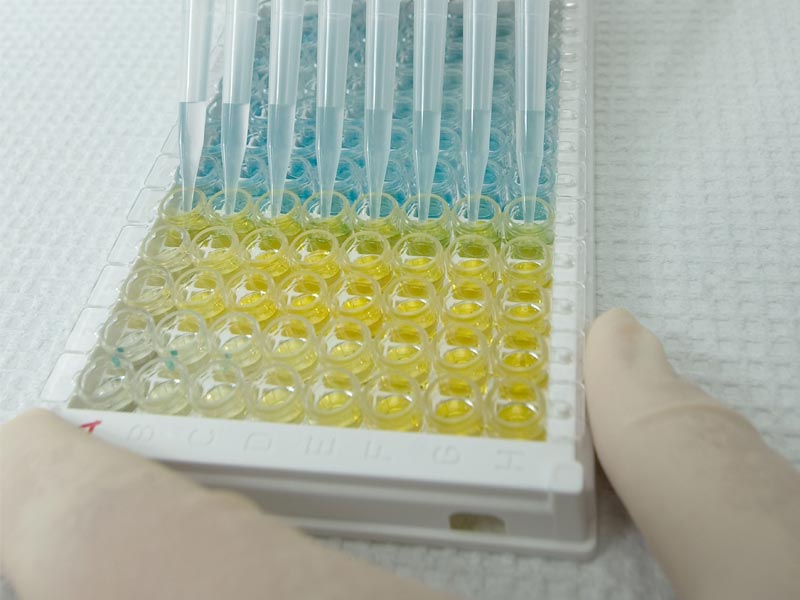
Why is TMB initially colorless? Why does it definitely turn blue after catalysis? Why does stopping the reaction specifically turn it yellow? Today, we will set aside obscure formulas and break down the complete principles of TMB color development reaction in an easy-to-understand way, revealing the chemical essence behind the experimental phenomena.

TP53 gene aberrations show strong pathological correlation with a wide range of human malignancies, including hepatocellular carcinoma, mammary carcinoma, bladder cancer, ovarian neoplasms, intracranial tumors, gastric carcinoma, colorectal cancer, esophageal carcinoma, lung carcinoma and hematological leukemia.

Oxidative phosphorylation, also called electron transport-coupled phosphorylation, refers to a core metabolic route that transforms chemical energy released during nutrient oxidation into ATP via the electron transport chain. It acts as a critical cellular energy conversion reaction and represents the final stage of aerobic respiration inside eukaryotic cells.
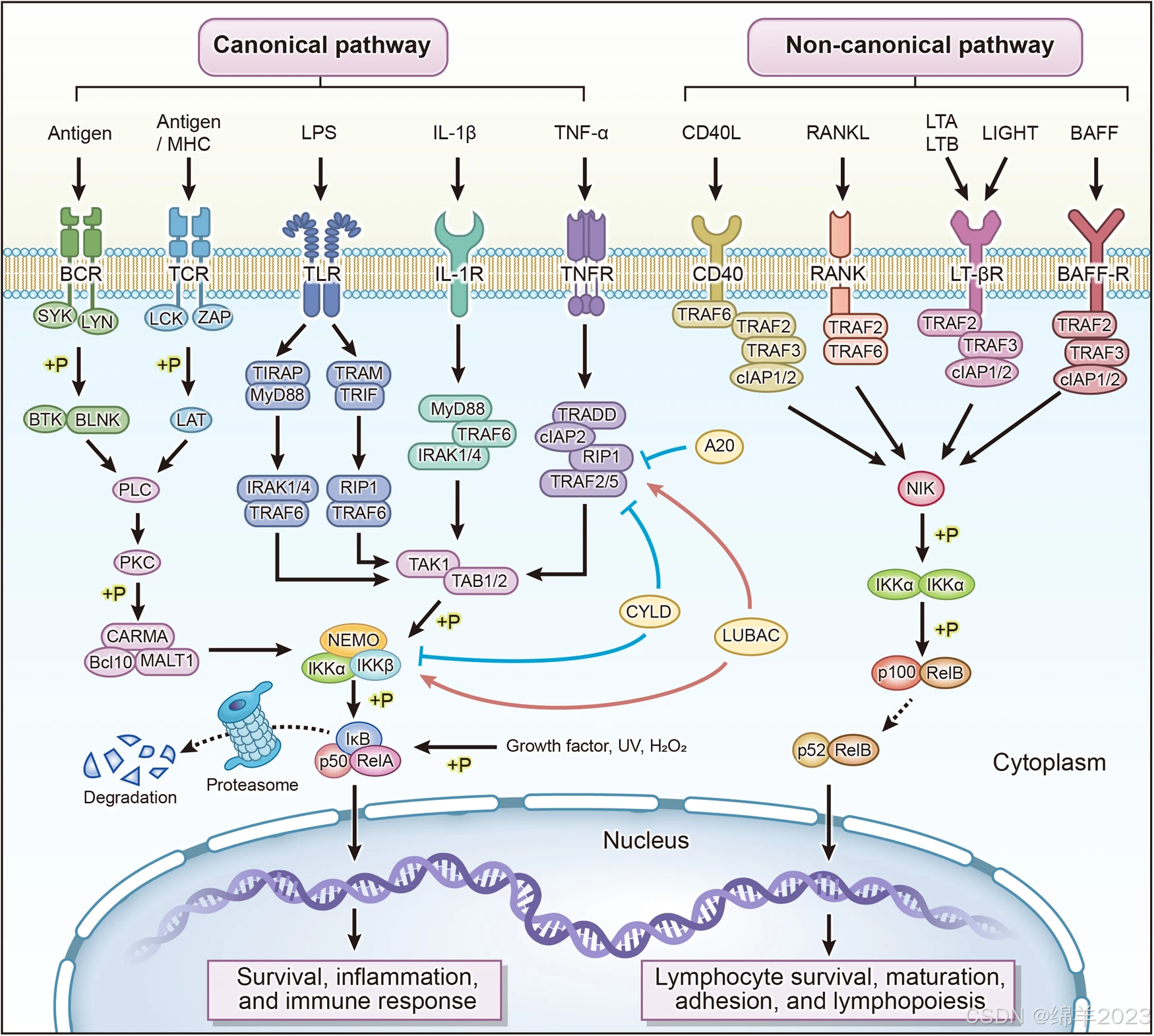

The mammalian target of rapamycin (mTOR) signaling cascade receives and consolidates signals originating from both inside and outside cells, and exerts critical regulatory effects on a wide array of cellular activities, including metabolic balance, cell expansion, division, and cell survival.

PreGo™ Dual-Mode ELISA Kit features independent external standard curve strips and pre-made dilution-free standard curves, supporting unattended automated detection. Optimize lab throughput, simplify operation, improve data consistency and reduce lab operating costs for academic research, compound screening and contract testing laboratories.

The mitogen‑activated protein kinase (MAPK) cascade refers to an evolutionarily conserved intracellular signaling module that governs multiple core cellular behaviors such as cell proliferation, differentiation and migratory movement. This signaling system consists of a wide array of functional protein molecules, among which ERK (extracellular signal‑regulated kinases) represents the initial identified subtype of MAPK family. It relays intracellular signals via sequential protein phosphorylation, acting as molecular switches to turn biological processes on or off.