
Tumor protein p53, also named transformation-related protein 53 (TRP53), is a tumor-suppressive polypeptide encoded by the human TP53 gene. Its naming derives from its molecular weight of roughly 53 kilodaltons among cellular protein fractions. As an indispensable functional factor for multicellular organisms, this protein regulates cell cycle progression and blocks malignant transformation events. The TP53 gene is recognized as one of the most vital tumor suppressors in the human body; missense point mutations and allelic loss of TP53 occur with extremely high frequency across various cancer subtypes.
TP53 gene aberrations show strong pathological correlation with a wide range of human malignancies, including hepatocellular carcinoma, mammary carcinoma, bladder cancer, ovarian neoplasms, intracranial tumors, gastric carcinoma, colorectal cancer, esophageal carcinoma, lung carcinoma and hematological leukemia. In over half of all diagnosed malignant lesions, detectable TP53 mutation events can be identified.
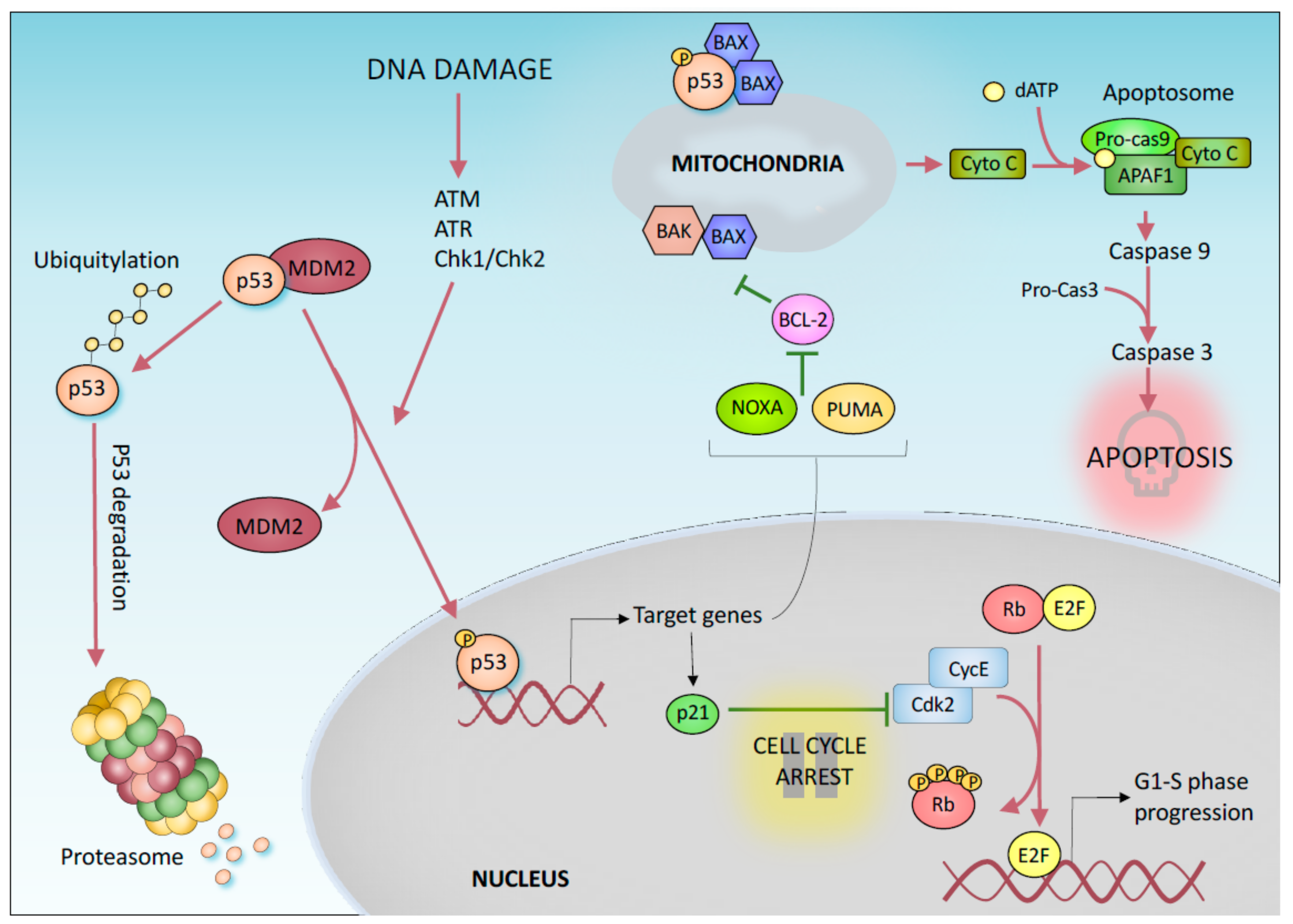
The p53 protein carries out multiple pivotal physiological regulatory roles, covering cell cycle surveillance, genomic damage restoration, programmed cell death (apoptosis), permanent cellular senescence, metabolic reprogramming and reproductive developmental control. Beyond these core tasks, this protein also restrains oncogenic progression and modulates the body’s defensive immune response against viral pathogens.
The signal transduction axis mediated by p53 exerts profound regulatory impacts on regular cellular physiological behaviors, and it modulates the transcriptional expression of around 160 distinct target genes. Programmed cell death and cellular senescence act as the two primary effector mechanisms through which p53 restrains tumor proliferation and progression.
Wild-type functional p53 acts as a genomic monitor capable of sensing and locating sites of DNA structural damage. When genomic lesions appear, p53 halts the DNA replication process to reserve sufficient time for endogenous DNA repair machinery to fix defects. If the damaged genome cannot be fully restored, p53 initiates apoptotic signaling to eliminate genetically defective cells permanently. Once deleterious mutations emerge within the TP53 gene, cells lose proliferative restriction signals, which eventually leads to full malignant transformation.
Within the p53 signaling cascade, MDM2 protein forms oligomeric dimeric complexes by binding to p53 subunits, serving as the primary negative regulator that suppresses p53 bioactivity. The physical interaction between MDM2 and p53 blocks three major p53-mediated biological functions: target gene transcriptional activation, suppression of uncontrolled cell proliferation, and the triggering of apoptotic cell death.