Quantitative ELISA Detection: Mechanism of the Hook Effect and Verification Value of Dilution Pre‑experiment
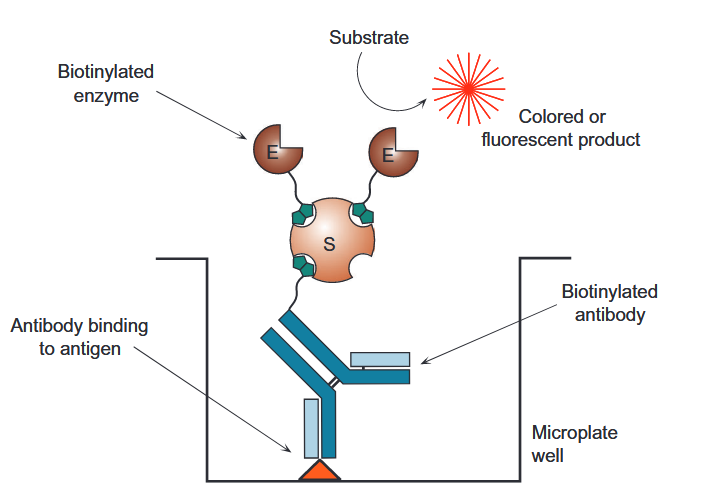
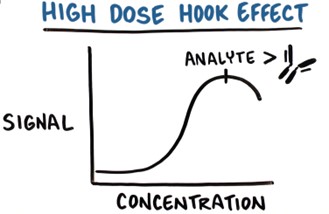
In quantitative double‑antibody sandwich ELISA systems, the hook effect (high‑dose hook effect, prozone phenomenon) is a deceptive analytical interference. It does not stem from operational errors or kit defects, but represents an intrinsic immune reaction feature caused by stoichiometric imbalance between antigen and antibody. Serial sample dilution pre‑experiment is currently the most direct and universal laboratory method to identify, verify and avoid the hook effect.