Antibody Cross-reactivity: A Double-edged Sword in Immunology
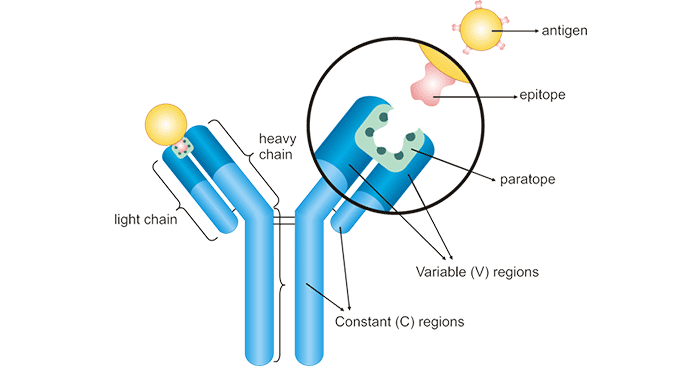
This manuscript centers on the definition, generating mechanisms, biological functions, practical usage scenarios and optimization approaches of antibody cross-reactivity.


DNA carries an organism’s genetic information and is essential for its survival and reproduction. For this reason, preserving the structural integrity of DNA molecules is vital to all living cells. Nonetheless, DNA inevitably sustains various forms of damage during replication and genetic transmission to daughter cells. This article elaborates on the definition, major triggers and distinct features of DNA damage, and further clarifies the differences between DNA damage and gene mutation. It also systematically introduces major damage categories, cellular response pathways and related human diseases.
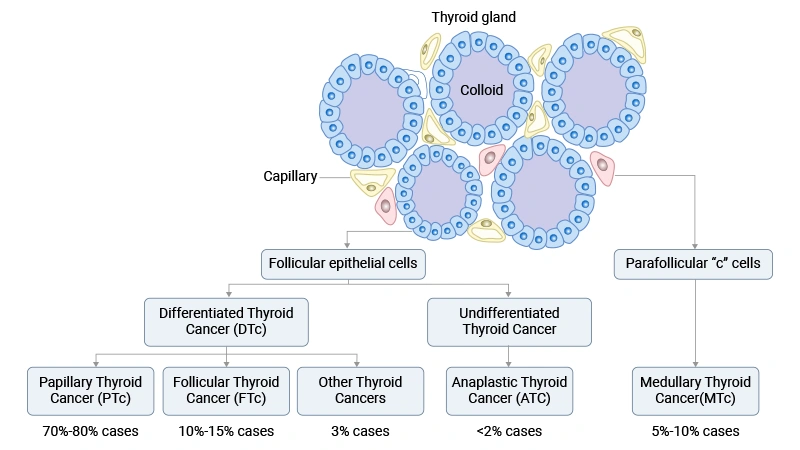
Thyroid tumors cover a wide spectrum of pathological phenotypes, ranging from inert benign nodules to highly aggressive malignant lesions. Research priorities not only include systematic pathological classification, but also exploring how gene variation, tumor clonal evolution and metabolic reprogramming affect disease progression. This paper summarizes core biological features of thyroid tumors, focusing on progression mechanisms, metabolic traits and promising targeted drug candidates.
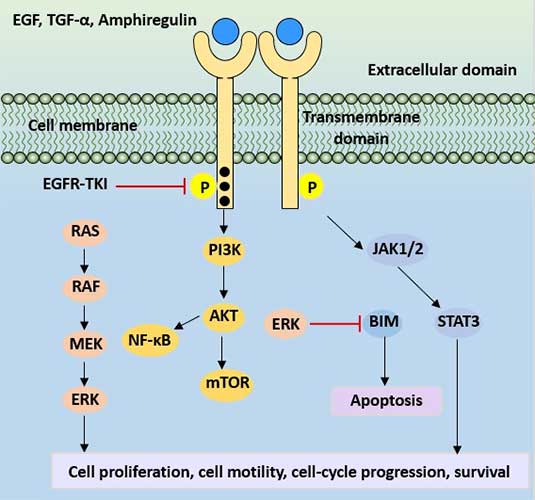
Epidermal growth factor receptor (EGFR), also named ErbB-1 or HER1, belongs to the receptor tyrosine kinase subfamily of the HER protein family. It extensively distributes on the surface of mammalian epithelial cells, fibroblasts, glial cells and keratinocytes, serving as a vital transmembrane receptor.
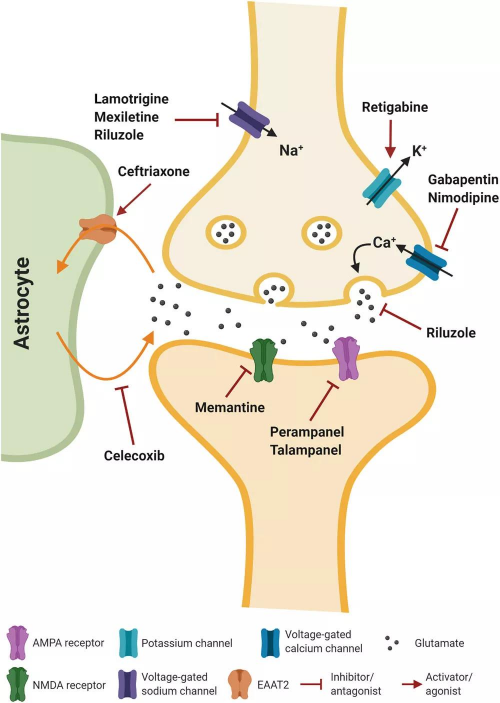
Amyotrophic lateral sclerosis (ALS), also referred to as Lou Gehrig’s disease, is a progressive neurodegenerative disorder that impacts nerve cells within the brain and spinal cord. Motor neurons extend from the brain down to the spinal cord, and from the spinal cord out to muscles across the entire body. In ALS, the gradual deterioration of motor neurons ultimately results in their death. When a motor neuron perishes, the brain loses its capacity to initiate and regulate muscle movement.

Based on the core requirements of ELISA experiments, this article will systematically analyze the underlying logic and unique advantages of polystyrene as an ELISA solid-phase carrier from six dimensions: molecular interaction mechanism, optical performance adaptation, chemical stability compatibility, surface modification potential, molding precision advantages, and material comparison analysis, clarifying the core reasons for its irreplaceability.
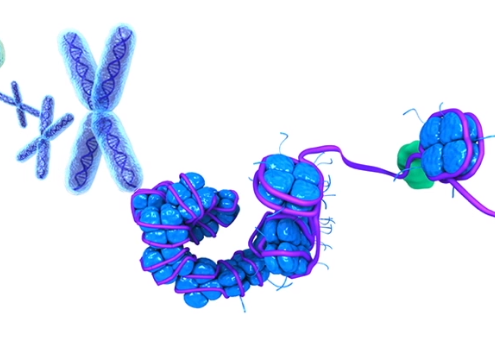
Histone modifications and DNA methylation are epigenetic marks that influence gene expression patterns. Research on diseases and disorders has been carried out in connection with the histone modifications pathway, including malignant neoplasms, carcinogenesis, cell transformation, neoplastic conditions, and carcinoma. The histone modifications pathway has also been studied in relation to methylation, DNA methylation, histone acetylation, chromatin remodeling, and histone methylation.
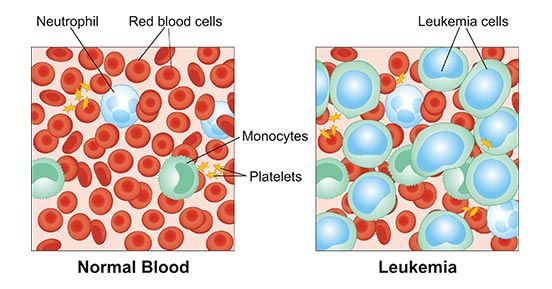
When leukemia is mentioned, keywords such as marrow transplantation and anemia often come to mind. Leukemia is the most prevalent cancer among children and adolescents, making up nearly one-third of all cancers in this age group. Typically, around 14 new cases of leukemia are diagnosed per 100,000 men and women in the United States each year. It ranks as the tenth most common cancer based on annual new diagnoses and accounts for 3.5% of all new cancer cases in the country. So, what exactly is leukemia, and what are its different types?