

Key Differences and Application Differentiation of Various ELISA Protocols
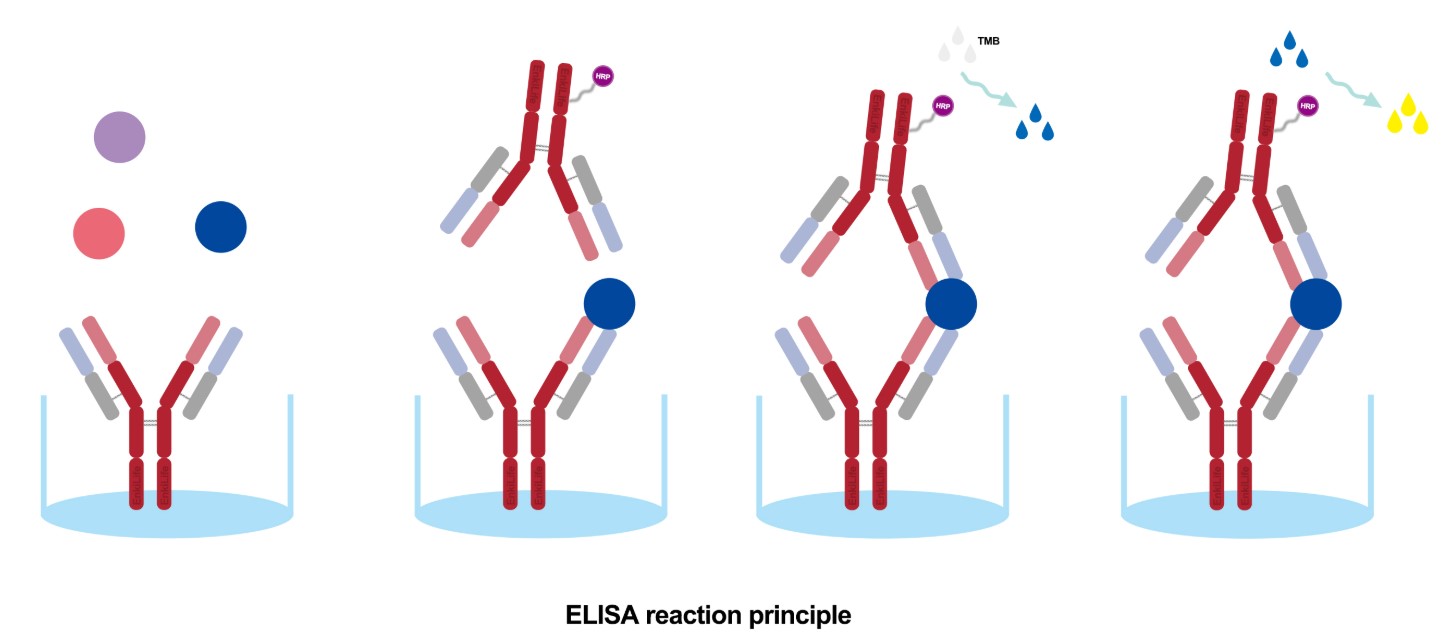
Enzyme-Linked Immunosorbent Assay (ELISA) is a commonly used immunoquantitative technique in scientific research and clinical testing, with multiple different implementation protocols. Different protocols exhibit significant differences in antigen immobilization methods, antigen detection modes, signal amplification strategies, and signal detection methods, adapting to different experimental needs and detection scenarios. This article systematically disassembles the core differences among various ELISA protocols, detailedly analyzes the principles, operational characteristics, and application scopes of each protocol, helping researchers accurately select suitable ELISA protocols based on their experimental requirements.
ELISA Experimental Optimization Guide
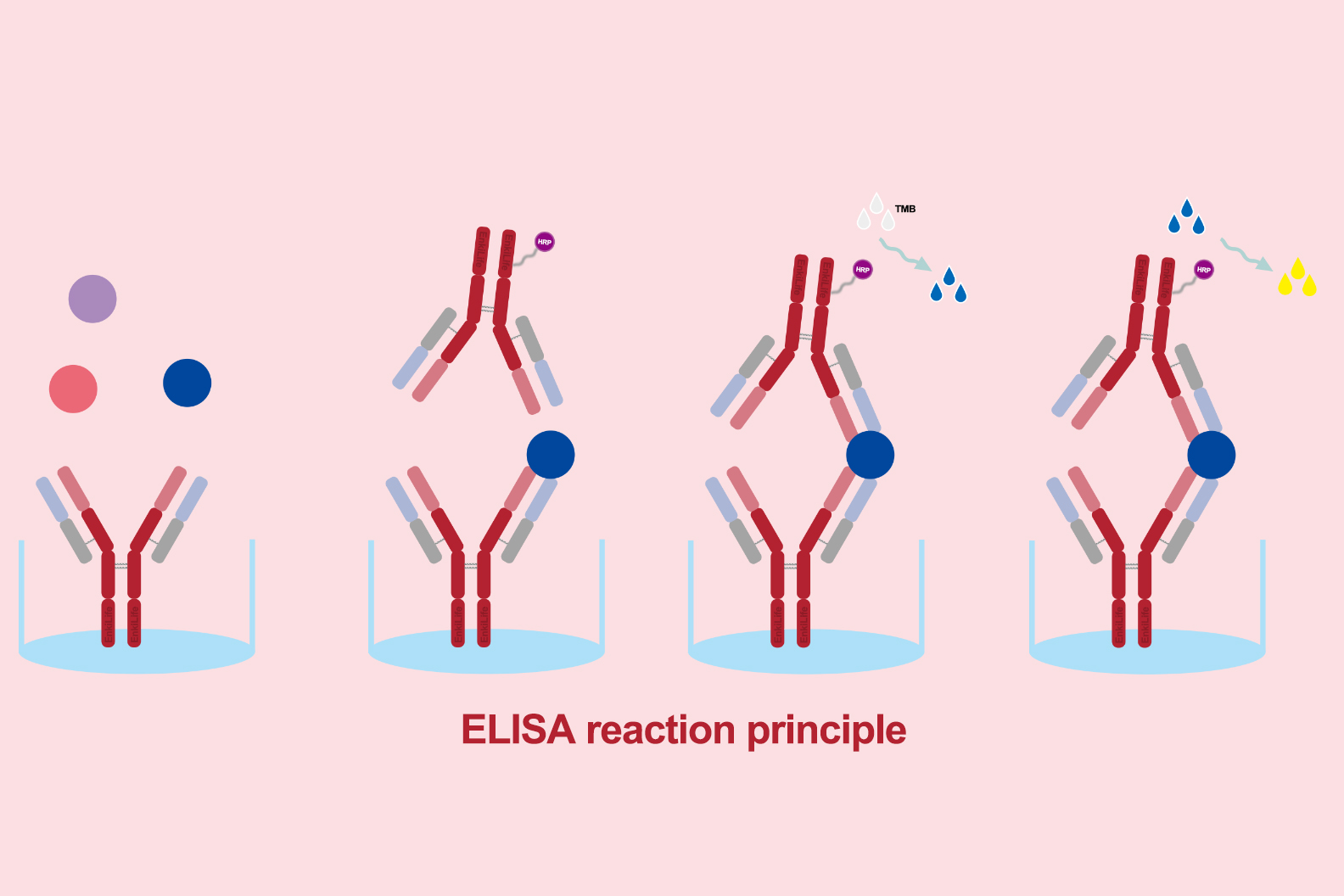
This article describes the optimization procedures for each detection component, ranging from capture antibodies to the selection of enzyme conjugates and substrates. Although each component is described individually, two components can be optimized simultaneously by performing a checkerboard titration in many cases.
Factors Affecting ELISA Immune Complex Assembly
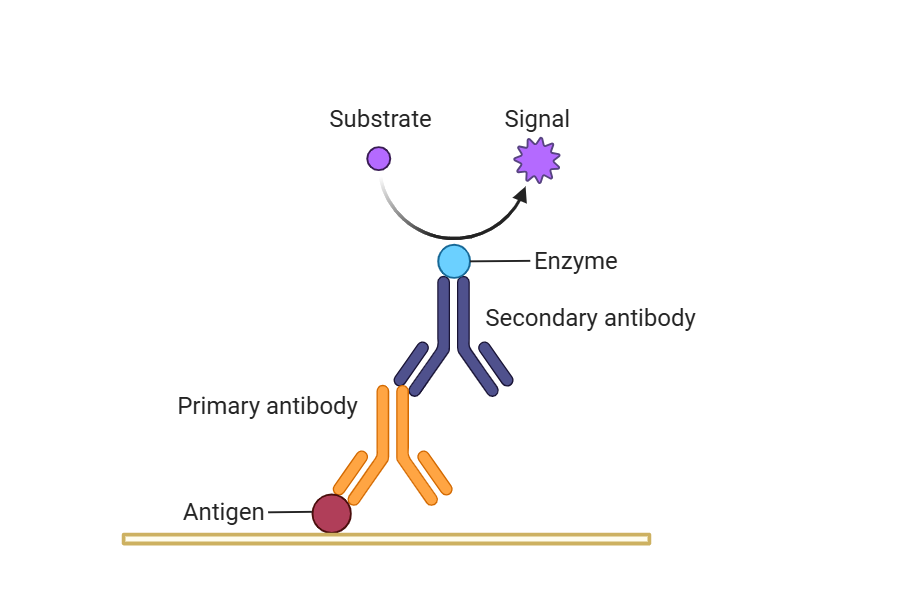
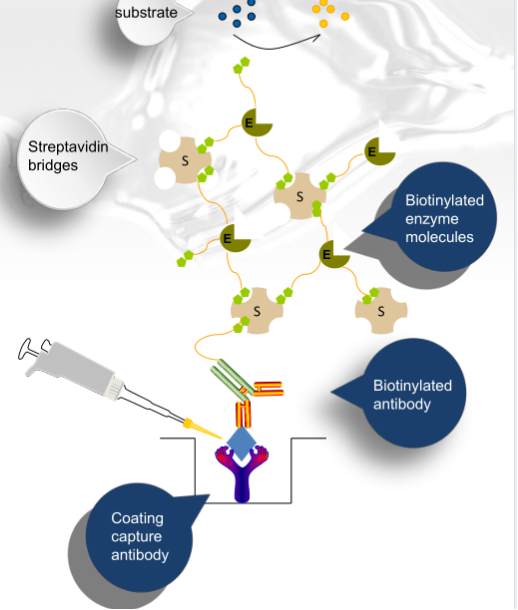
Enzyme-Linked Immunosorbent Assay (ELISA), as a widely used immunoquantitative technique in scientific research and clinical testing, relies on its high specificity and sensitivity to become the core method for antigen/antibody detection. However, the core of ELISA experiments lies in the assembly process of large immune complexes, which involves the synergistic interaction of multiple components such as antigens, antibodies, enzyme conjugates, and solid carriers. Any deviation in any component or operational step may lead to signal capture failure, affecting the accuracy and reliability of experimental results.
FAQs About Standard Curve Preparation
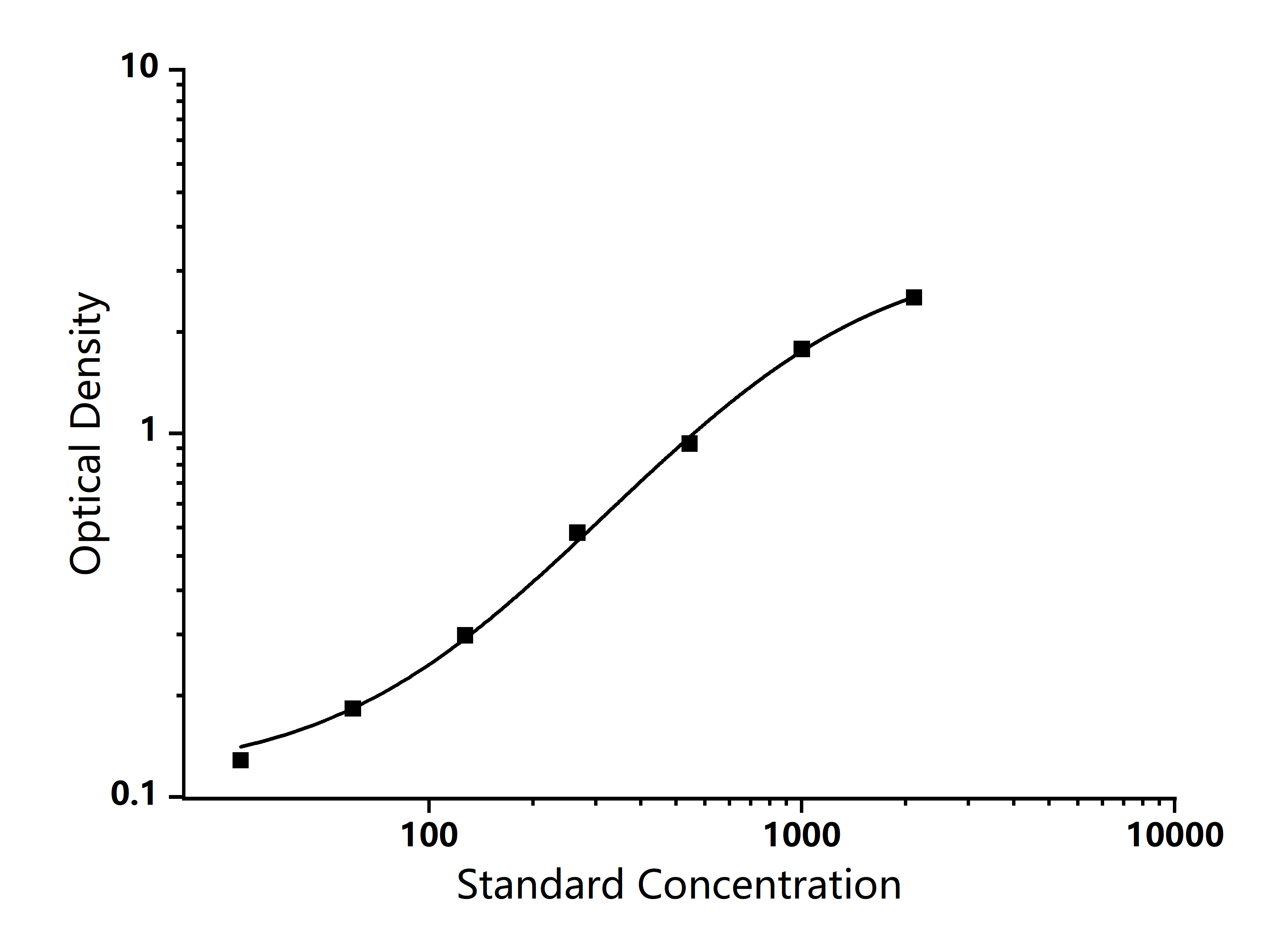
In Enzyme-Linked Immunosorbent Assay (ELISA), the standard curve is the core foundation for quantitative analysis of analytes. Its quality directly determines the reliability, accuracy, and reproducibility of experimental data, and is a key prerequisite for the success of ELISA experiments. The preparation of standard curves involves multiple steps such as standard processing, operational specifications, and experimental environment control. During actual operations, experimental personnel often face various questions regarding standard storage, dilution, curve fitting, etc.
ELISA Experimental Design Steps and Precautions
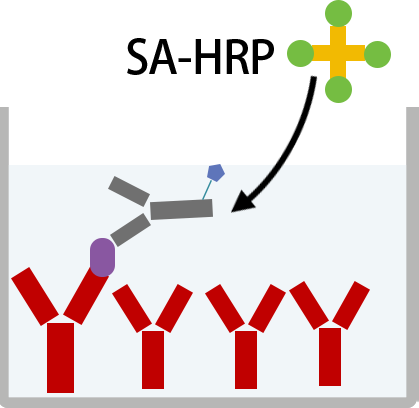
The success of ELISA experiments not only relies on high-quality kits and standardized operations but also离不开 scientific and reasonable experimental design — from mastering the principles of coating and blocking to planning microplate well positions, precise preparation of reagents, and standardizing details of the entire process operation. Each link directly affects the accuracy, repeatability, and reliability of experimental results.
FAQs about Plate Washing in ELISA Experiments
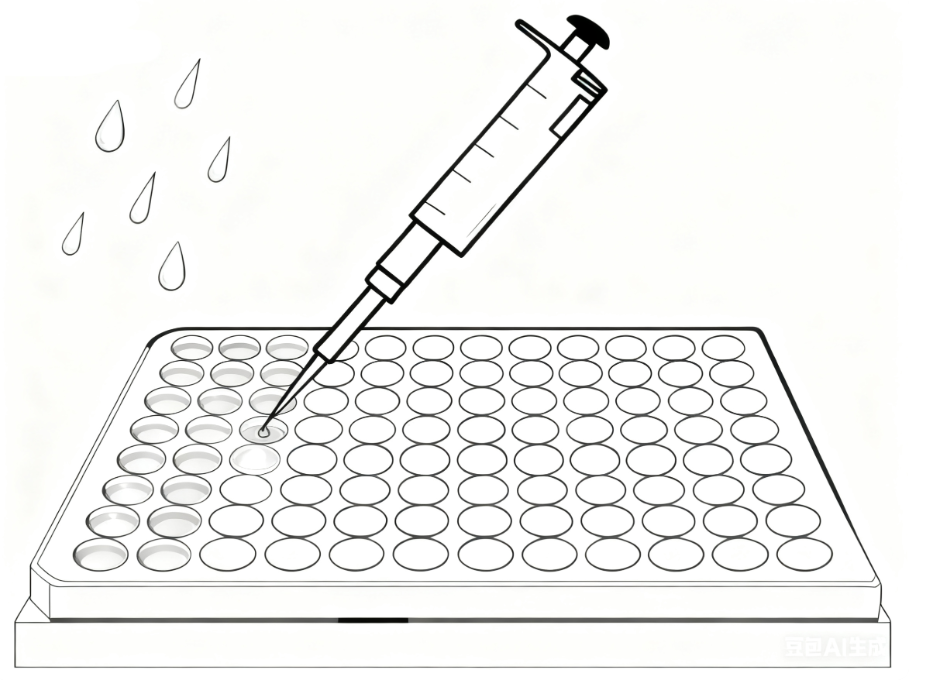
In Enzyme-Linked Immunosorbent Assay (ELISA), plate washing is a core critical step throughout the experiment. Its operational standardization directly affects the sensitivity, specificity, and accuracy of detection results, and is also an important link to avoid experimental errors and reduce false positive/negative results. Manual plate washing has become a widely used plate washing method in scientific research and clinical detection due to its flexible operation and adaptation to various laboratory scenarios. However, in actual operation, laboratory personnel often encounter problems such as high background, cross-contamination between wells, and abnormal color development due to improper control of operational details.
ELISA Standard Reconstitution and Dilution
In Enzyme-Linked Immunosorbent Assay (ELISA), the standard curve is the core foundation for quantitative analysis of analytes, and its quality directly determines the reliability, accuracy, and reproducibility of experimental results. An ideal standard curve not only requires a good linear relationship but also needs to cover a dynamic detection range suitable for experimental needs to accurately reflect the true concentration of analytes in samples, providing strong support for scientific data interpretation and clinical detection judgments. The precise preparation of the standard curve relies first on the standardized handling of standards— reconstitution and gradient dilution. The operational standardization of these two links directly affects the accuracy of standard concentrations, thereby determining the quality of the entire standard curve, which is a key prerequisite for the success of ELISA experiments.
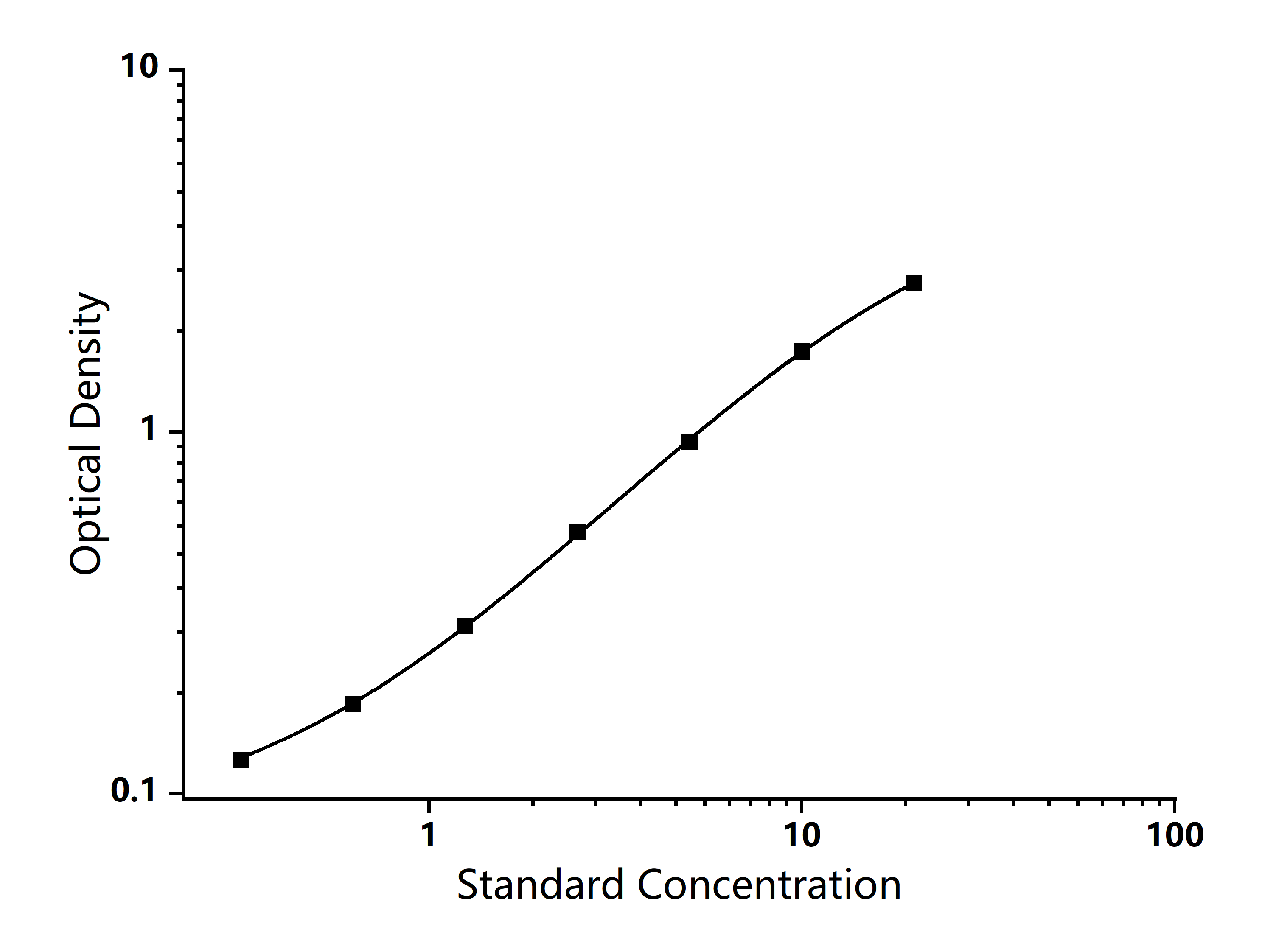
Why can't the R² of your standard curve reach 0.99?
In ELISA experiments, the coefficient of determination (R²) of the standard curve is a core indicator for measuring the reliability of detection results and the stability of linear relationships, directly affecting the accuracy of target quantification— the closer R² is to 1, the better the linear correlation between standard concentration and detection signal, the higher the credibility of experimental data, and the easier it is to pass strict requirements such as paper review and clinical validation.